
Getting sober is a remarkable achievement. But as life begins to settle, you may notice that some struggles remain. Resentment still surfaces. Pride gets in the way. The old behavior may be gone, yet peace still feels out of reach.
Dr. Don Middleton describes this turning point as recognizing the need for emotional sobriety. Freedom from an addictive behavior opens the door to a deeper question: what kind of life will take its place?
Christian AA Step 7 invites us to humbly ask God to remove our shortcomings and fill those spaces with qualities that reflect His love. In this teaching, discover how humility helps us welcome a changed heart, healthier relationships, and a fuller life in Christ.

Step 7 Isn’t About Earning God’s Love. It’s About Responding to It
“We humbly asked God to remove our shortcomings.”
— Step 7, as presented in The Dunamis Effect
When we begin recognizing our unhealthy habits, it can be tempting to turn recovery into another self-improvement project. We identify what’s wrong, make a plan, and try to become someone worthy of love and acceptance.
But God’s love isn’t a reward for getting everything right. His grace is a gift, given because He loves us—not because we have earned it.
Step 7 begins from that place of acceptance. Because we are loved, we can honestly acknowledge the patterns that separate us from God and others. We can ask Him to change the desires behind our actions, trusting Him with the work we cannot accomplish through determination alone.
We bring the willingness. God brings the transforming power.
From an Empty House to a Fruitful Life
In Matthew 12:43–45, Jesus describes an unclean spirit returning to a house it once occupied. The house has been swept clean and put in order, but it remains empty.
Dr. Don uses this parable to explore what happens when recovery focuses only on removing harmful behaviors. Clearing out the old patterns matters. So does welcoming something better into their place.
Step 7 gives our prayers a new direction. We can ask God to replace anger with gentleness, greed with generosity, and self-centeredness with a greater capacity to love.
Over time, the focus expands beyond staying out of trouble or avoiding an old behavior. We begin seeking a life shaped by God’s presence—one with connection, purpose, and something meaningful to give to others.
THE CHRISTIAN VALUE OF STEP 7: humility
Humility isn’t thinking less of yourself. It’s thinking of yourself less often.
In The Dunamis Effect, Dr. Don connects humility with recognizing our value as children of God. We don’t have to tear ourselves down to acknowledge that we need Him. Our shortcomings are real, but they do not erase the worth He has already given us.
Jesus shows us what humility looks like through His willingness to serve and put others before Himself. As we follow Him, our attention begins to shift from protecting our pride toward loving the people around us.
Galatians 5:22–23 describes the fruit of the Spirit: love, joy, peace, patience, kindness, goodness, faithfulness, gentleness, and self-control. These qualities shape how we treat others and how we respond when life becomes difficult.
Humility makes room for that growth. We acknowledge our need, surrender our weaknesses, and ask God to form His character within us.
WHAT humility LOOKS LIKE
Living out Step 7 means bringing specific struggles to God in prayer and remaining willing to be changed. You don’t have to address everything at once.
Humility looks like:
- Choosing one or two unhelpful habits to bring honestly before God.
- Asking for a specific quality to grow in their place, such as gentleness instead of anger.
- Talking with your recovery partner or sponsor about where to begin.
- Making space for prayer, gratitude, and Scripture in your daily life.
- Becoming more available to others as self-centered patterns lose their hold.
- Allowing loved ones time to rebuild trust, without demanding that they recognize every change immediately.
This is an ongoing practice, not a step we finish perfectly. As we continue surrendering, God can shape the way we think, respond, and relate to others.
The invitation is to keep returning to Him with an open heart—grateful for His grace and willing to receive the fuller life He wants to grow within us.
Ready to dive deeper into step 7?
Continue your journey with the Step 7: Humility companion resources.
Your free download includes:
- A chapter from The Dunamis Effect
- Companion workbook questions
- Personal reflection prompts
- Practical next steps for applying Step 7
- Biblical encouragement for lasting transformation
Download the guide below and continue discovering how God transforms our hearts—not just our habits.
Step 7 Chapter + Workbook Questions
The books that inspired the Stepping Into Power Series
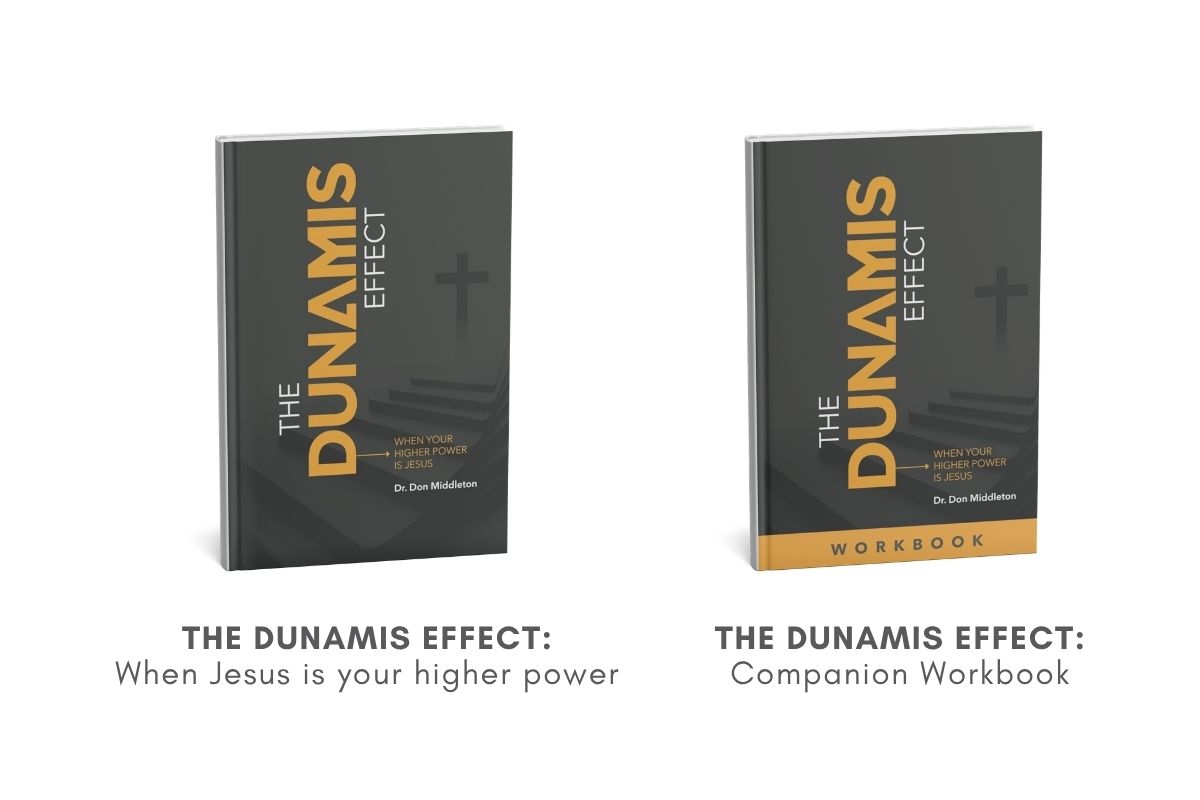
 Experience a powerful, Christ-centered reimagining of the Twelve Steps. The Dunamis Effect blends biblical truth, practical recovery wisdom, and relatable stories to help you break cycles, strengthen your faith, and build a life of lasting freedom. A foundational book for anyone ready to heal from the inside out.

RELATED BLOG POSTS

What Does Dunamis Have to Do with Addiction Recovery?
Freedom, Grace, Healing & Transformation, Identity, Individuals in Recovery, Sobriety, Spiritual Growth, Step 1: Surrender, Step 7: Humility

Naaman the Leper and Addiction Recovery
Church Leaders, Freedom, Individuals in Recovery, Spiritual Growth, Step 1: Surrender, Step 2: Hope, Step 7: Humility

 Every Stepping Into Power chapter guides
 Church & recovery ministry resources
 Recovery coach tools
 Books, publications & teaching materials
 New resources added over time