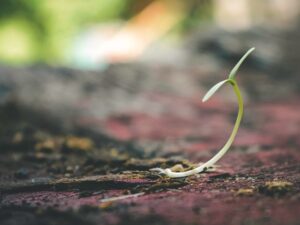
Step 2 Isn’t About Blind Faith.
It’s About Believing Change Is Possible.
After admitting powerlessness in Step 1, many people feel exposed and uncertain. Surrender is honest, but it can leave you wondering what comes next. Step 2 answers that question by introducing hope — not vague optimism, but the belief that restoration is possible.
“We came to believe that a Power greater than ourselves could restore us to sanity.”
This step shifts recovery from self-reliance to the possibility of help.
From Self-Effort to Spiritual Possibility
Many people struggle here. Admitting you can’t fix yourself is one thing. Believing that God can restore you is another.
You may wonder:
Step 2 does not require perfect faith. It begins with willingness — even a small openness to the idea that healing could happen.
The Christian Value of Step 2: Hope
In The Dunamis Effect, each step is paired with a Christian value. Step 2 is rooted in Hope.
Biblical hope is not wishful thinking. It is confidence grounded in the character of God. It rests on who He is — not on your performance.
This step invites you to consider that restoration is possible because God’s power is greater than your addiction.
What Restoration Means
Addiction distorts thinking, behavior, and relationships. Step 2 introduces the possibility that clarity and stability can return.
Restoration does not happen overnight. It begins with belief — sometimes just the smallest shift from “Nothing will change” to “Maybe it can.”
Hope becomes the bridge between surrender and trust.
Ready to dive deeper into step 2?
The full Step 2 chapter from The Dunamis Effect explores:
-
How belief develops in early recovery
-
Why hope is essential for change
-
The Biblical foundation of restoration
-
Companion workbook questions for reflection
If Step 2 resonates with you, download the complete chapter and reflection guide below. Take time to read it slowly. Journal through it. Let hope take root.
Step 2 Chapter + Workbook Questions
RELATED BLOG POSTS

Stepping Into Power: A Christian Walk Through the 12 Steps
Church Leaders, Freedom, Individuals in Recovery, Spiritual Growth, Step 1: Surrender, Step 2: Hope, Step 3: Trust
Dunamis: What Does It Really Mean?
Church Leaders, Freedom, Individuals in Recovery, Spiritual Growth, Step 2: Hope
Faith verses hope in addiction
Church Leaders, Individuals in Recovery, Spiritual Growth, Step 2: Hope, Step 3: Trust

Naaman the Leper and Addiction Recovery
Church Leaders, Freedom, Individuals in Recovery, Spiritual Growth, Step 1: Surrender, Step 2: Hope